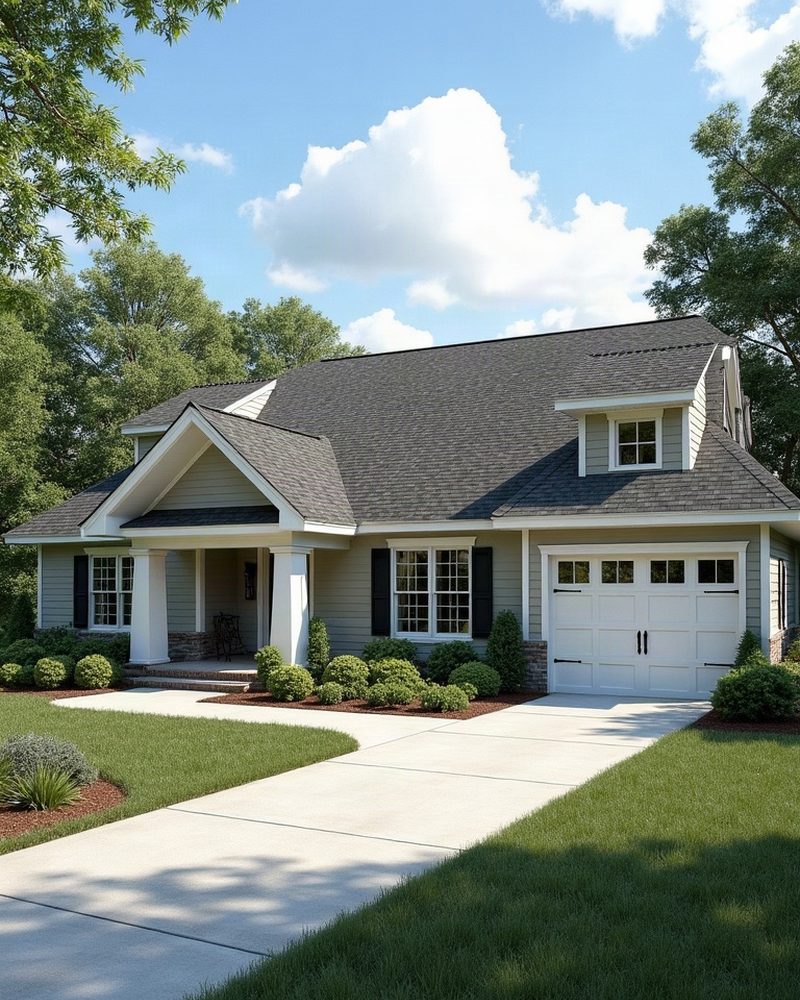
Whether you are buying a weekend retreat, selling a full-time waterfront home, or exploring investment opportunities around Lake Lanier, a focused value checklist helps you make decisions that stand the test of time. This guide is designed to attract both buyers and sellers searching for Lake Lanier real estate information and to stay useful as market conditions change. Read through these practical points to understand what matters most for property value on and around the lake.
1. Know the Neighborhood Micro Market
Lake Lanier is not one market. Cumming, Gainesville, Buford and the surrounding Forsyth, Hall and Dawson County neighborhoods each behave differently. Identify comparable recent sales in the exact subdivision, street and shoreline type. Buyers should look for patterns in days on market and price-per-foot. Sellers should position pricing and marketing to match local buyer expectations.
2. Waterfront Type Defines Value
Waterfront can mean private deep-water docks, shared slips, channel-front lots, or view parcels set back from the shore. Each has different maintenance needs, permit implications and buyer appeal. Make sure listings and search filters specify dock type, riprap, seawalls and any community dock rules.
3. Access and Usability Matter More Than a Picture
Easy boat access, usable shoreline, and safe dock entry will drive repeated buyer interest. A steep, rocky bank or restrictive covenants can reduce a waterfront premium even when the view is spectacular. Buyers should confirm boat access in all seasons. Sellers should highlight proven access benefits in the listing copy and photos.
4. Structural and Systems Health Is a Selling Point
Buyers want assurance on roof condition, HVAC age, septic or sewer status, foundation and dock integrity. Sellers who invest in third-party inspections or pre-listing repairs often smooth the appraisal and closing process. Keep documentation on upgrades and routine maintenance ready to show.
5. Understand Local Rules and Permits
Boat dock permits, shoreline stabilization, riparian rights and HOA restrictions vary by county and by neighborhood. These items impact remodel potential and rental use. Ask local authorities or a Lake Lanier-savvy agent about permit histories before you sign an offer or accept an offer.
6. Seasonal and Weather Realities Factor Into Value
Lake levels, winter use patterns and summer visitor demand affect rental income potential and livability. Consider seasonal parking, stormwater runoff, and how a property performs in both busy summer months and quieter winter seasons. Accurate expectations protect buyers and shape seller marketing windows.
7. Schools Commute and Local Amenities Influence Long Term Demand
Proximity to top-rated schools, grocery stores, marinas, and highway access to Atlanta or Gainesville creates steady buyer pools. For second-home buyers, nearby dining, boat launches, and community events matter. Highlight these lifestyle anchors in listings to attract the right audience.
8. Smart Upgrades Deliver Return on Lake Lanier Homes
On-lake improvements like functional docks, covered outdoor living areas, durable decking and low-maintenance landscaping typically outpace interior splurges. Kitchens and bathrooms still sell homes, but outdoors is where Lake Lanier buyers often invest emotionally. Prioritize durable materials that withstand humidity and lake exposure.
9. Pricing with Local Comparables and Seasonal Demand
Market timing matters less than correct micro-market comps. Use recent closed sales of similar waterfront types and adjust for seasonality in buyer traffic. Overpricing can lengthen days on market; underpricing leaves money on the table. A local Lake Lanier specialist can calibrate price to current demand.
10. Marketing That Speaks to Lake Buyers and Sellers
High-quality photos (including twilight shots), drone views of shoreline, and transparent information about dock specifics and dock permits
